Tales of Changing Practices for Adolescents with BPD

“You don’t want to let them down, especially not these young ones"

Åse-Line Baltzersen, National Advisory Unit for Personality Psychiatry, Oslo University Hospital; University of Oslo. Supervisors: Hilde Bondevik and Line Indrevoll Stänicke
Introduction
While perceptions of BPD are shifting towards treatment optimism.

The gap between research and practice continues to be a challenge, particularly in adolescent services.
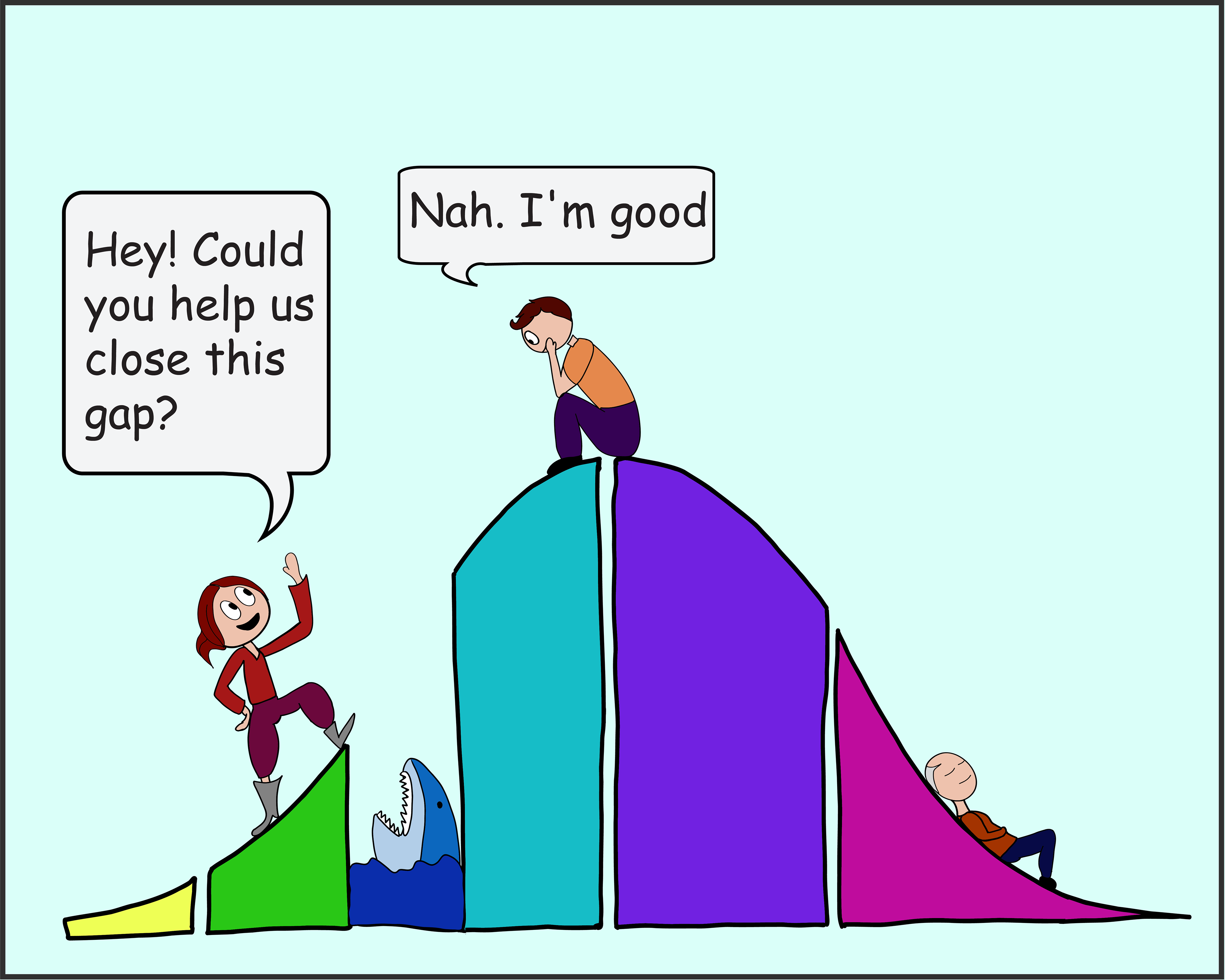

How do we move forward?
To bridge the chasm, we need to understand why and how the people we aim to influence are ready (or not) to adopt new practices.
Expectations when implementing new practices:
The idea that knowledge or training alone is enough to drive change is a comforting myth.
Reality looks more like this:
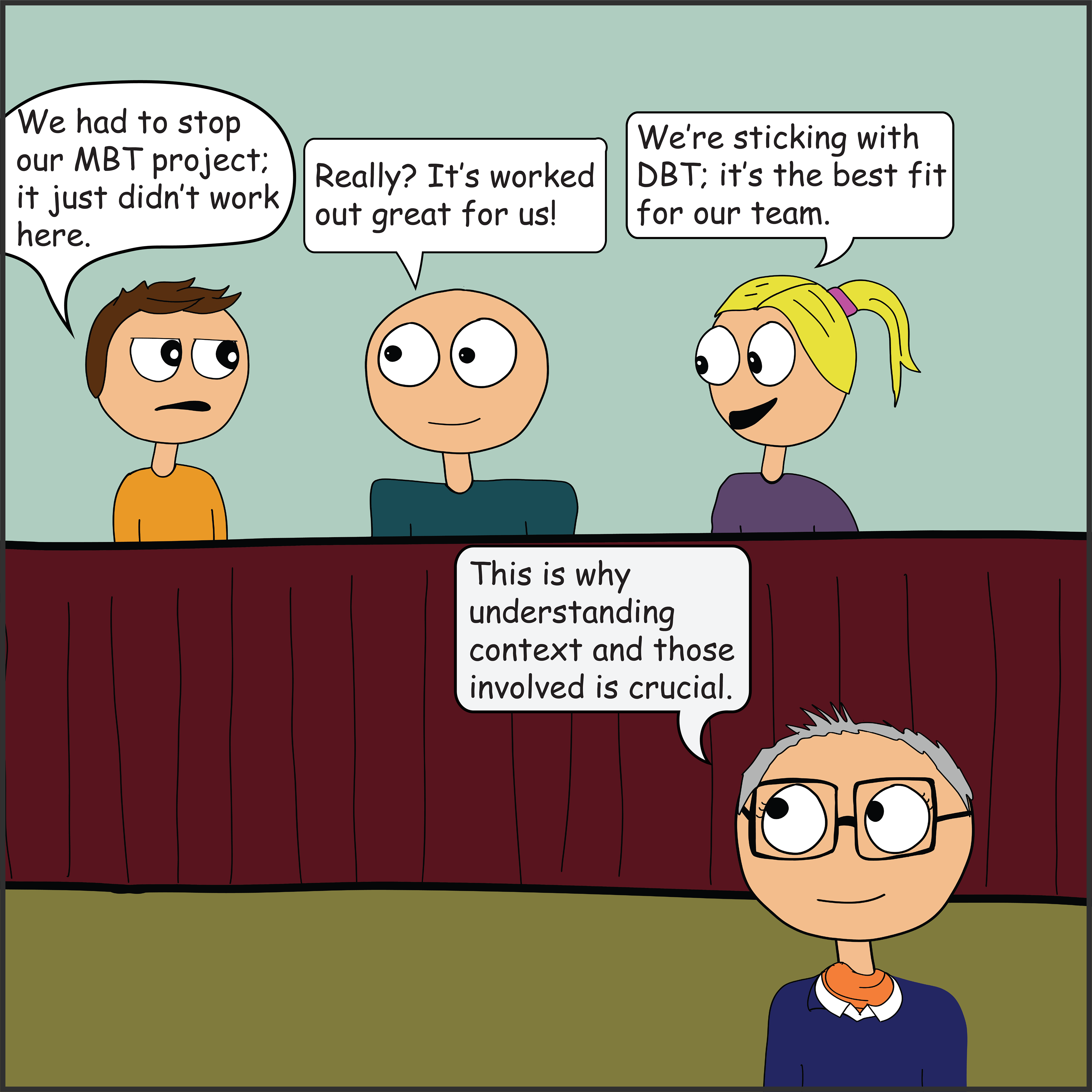
Implementation is chaotic and complex, influenced by competing priorities, ideologies, and practices – to mention a few.
Context and practical wisdom matter – understanding what works (and not) for whom and why in their unique situation.
Aim
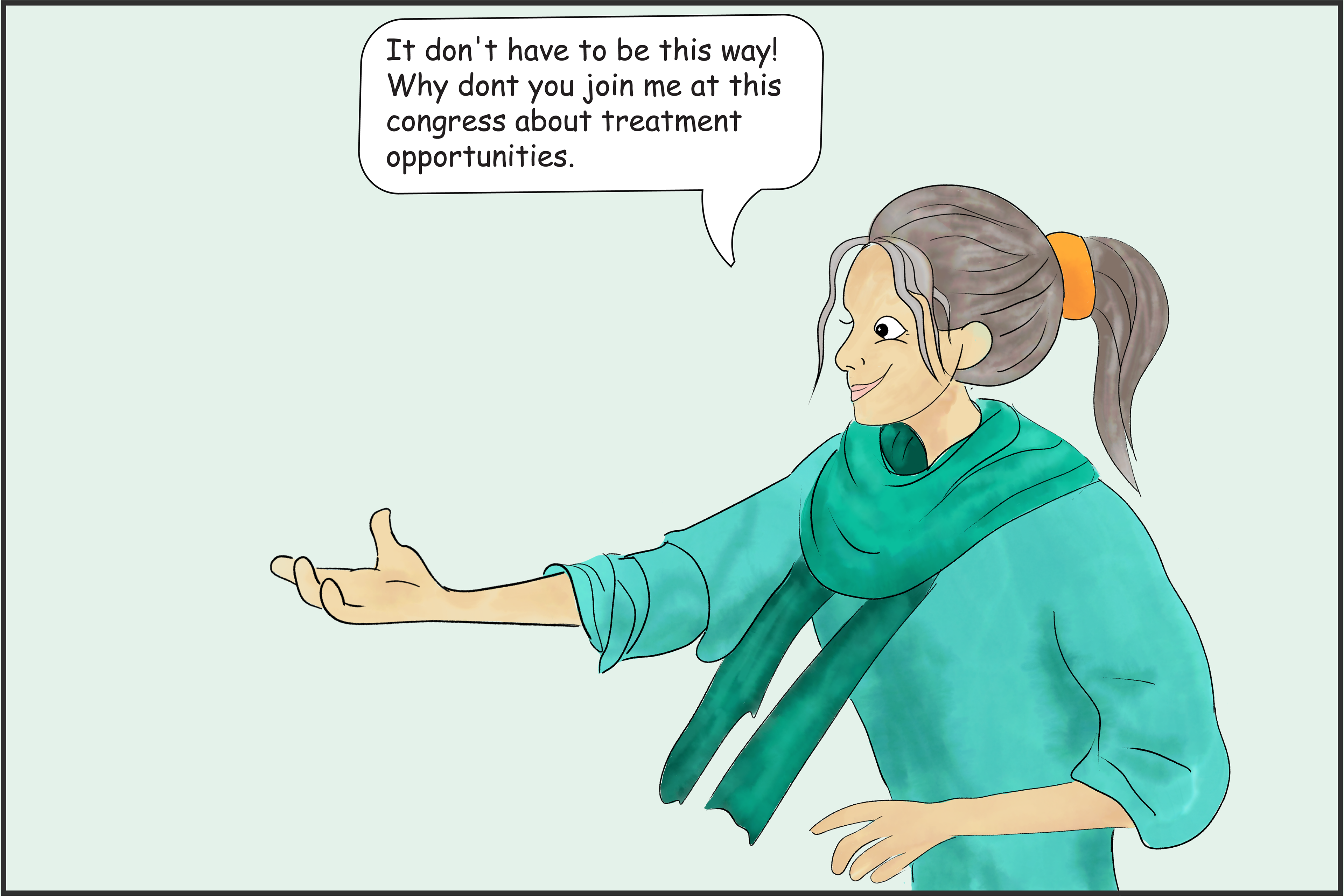
Meanwhile, a student in knowledge translation, with a background in marketing, wonders...
From there on, she embarked on a quest to uncover clinicians' experiences in adopting MBT for youth with BPD.
Once upon a time
Two teams from adolescent services in Norway took it upon themselves to implement mentalization-based therapy within their unique context. 

This is their story, as shared by seven individuals: two initiators from each context, a loyal contributor throughout the entire journey, and two who joined the teams later in the process.
Foundation for transformation
They shared an intrinsic curiosity and interest in working with adolescents with BPD. Finding enjoyment in the work and deep meaning in overcoming challenges together with the patients.
However, this work also took its toll.
Patients were falling through the cracks. Feeling isolated, they experienced a need for a methodological anchor – whether for structure or the support of a team.
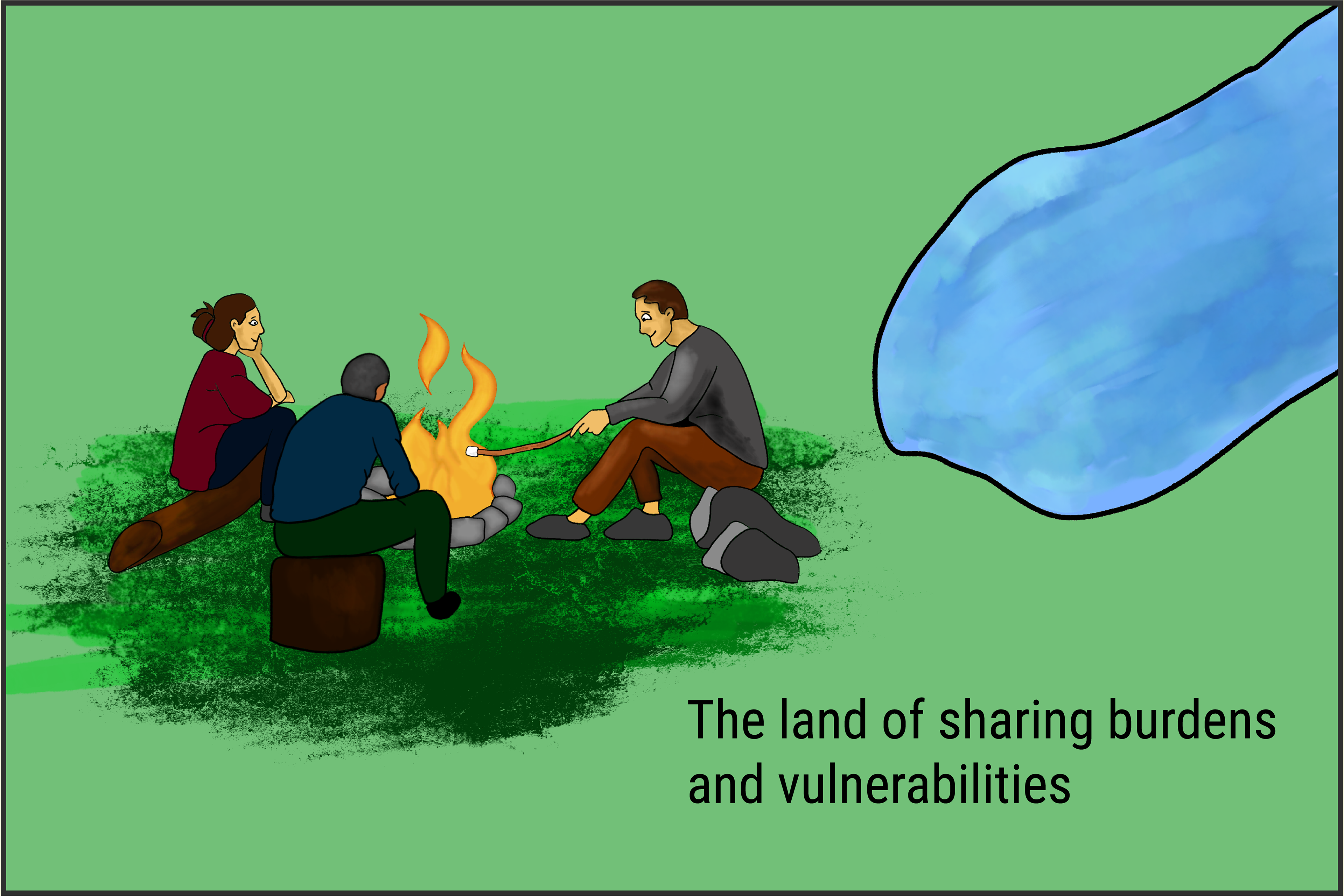
Their colleagues and peers played a central role in nudging them towards new treatment possibilities. 
And so, their journey towards change began.
Laying the groundwork for change
In their commitment to continiously evolving and sustaining change. Their days were filled with valuable communities of practice, guidance from mentors, team-building efforts, and overcoming various obstacles.

Deciding to change is one thing, getting the organization on board is another. Since then, the process of gradual change has been ongoing and continues today.
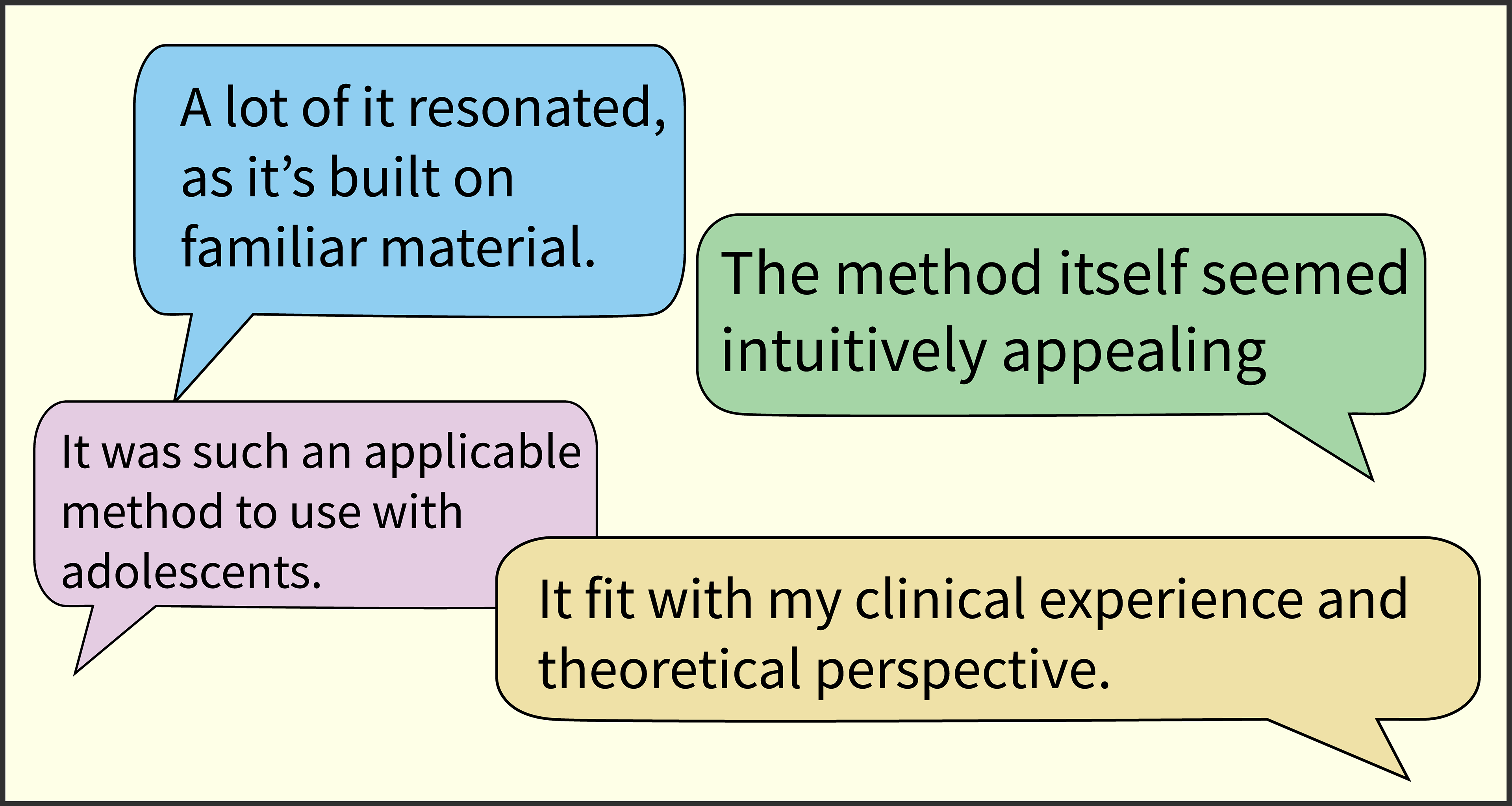
Percieving advantages
Why this method? Why MBT?

The method resonated and aligned with their therapeutic philosophy and prior practices. Their transition to MBT appeared more as a refinement or extention of their existing practice than adopting a new theoretical orientation.  

Navigating day-to-day
In their commitment to continiously evolving and sustaining change. Their days were filled with valuable communities of practice, guidance from mentors, team-building efforts, and overcoming various obstacles.

Their team played a central role in daily life – like a voice in the back of their heads when things got tough. The initiators were indeed committed to mindfully cultivating a cohesive and advocacy-driven team.
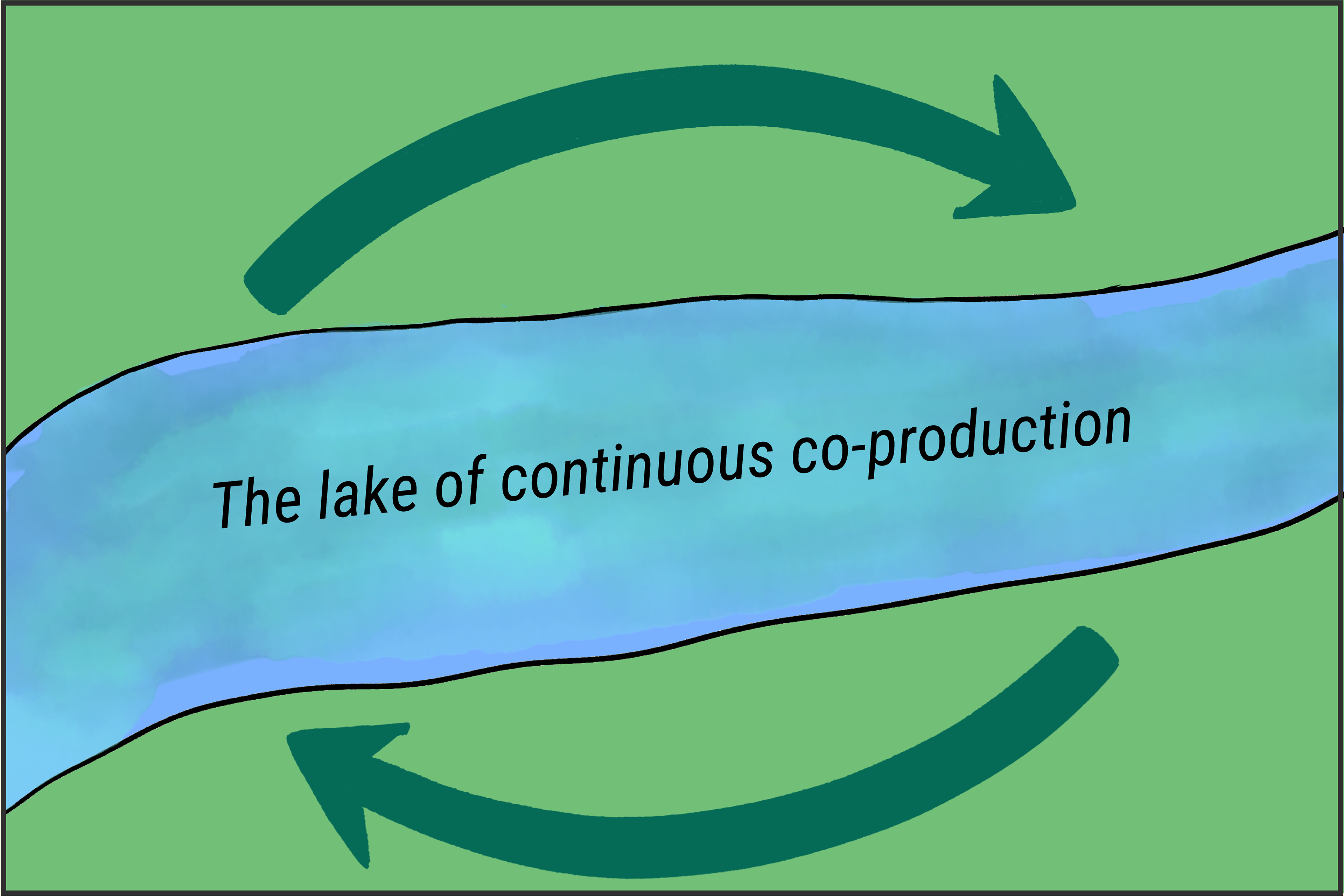
Sustaining change was was, and still remain, a continuous process of co-creation through internal and external dynamics. This involved internal teamwork and external guidance from experts, which played a critical role in the team's growth. Gradually, they learned to balance the method's structure with what worked best for their unique context, ensuring they stayed both faithful to the method and adaptable in their day-to-day work.

Leveraging networks was key to developing their teams, and remained a key source of guidance, collaboration, and professional growth.

Throughout their process, they encountered organizational and systemic barriers that hindered their progress and made it harder to fully realize the potential they were striving for.

Perceived outcomes: A more sustainable worklife

They found professional satisfaction and a more sustainable work life throuh support from their team and empowerment by a shared structure.


Method
This study employed a qualitative research design grounded in hermeneutics and Interpretative Phenomenological Analysis (IPA). The aim was to explore participants' experiences and how they made sense of the change process. 

Recruitment followed a purposive sample strategy from two treatment contexts that had implemented MBT for adolescents. To ensure anonymity, details such as location and participant identification were withheld due to the limited number of such programs in Norway.   

Data was analyzed using IPA to identify key themes, which were discussed my supervisors. The research questions focused on 1) reasons for changing practice, 2) daily motivational drivers, and 3) the impact of implementation. 

In line with COREQ participants reviewed the findings and was given the chance to provide their feedback.
The end, for now.
This study highlights the complex nature of implementing a new practice as experienced by health professionals. 

The findings illustrate that such a process is not merely a technical task but a symbiotic relationship that involves the therapists, their inner context (team and organization), communities of practice, and broader systemic influences. 

These participants were motivated and shared an intrinsic interest in working with adolescents with BPD. However, the personal toll their practice took before the change,  underscores the importance of a supportive, collaborative environment, both from peers and the organization, for clinicians working with adolescents with BPD. 

Reflecting on their choice of MBT, participants echoed research traditions that focus the adoptors perspective on key attributes of the innovation. In their case, noting its relative advantage and compatibility with their therapeutic practice.

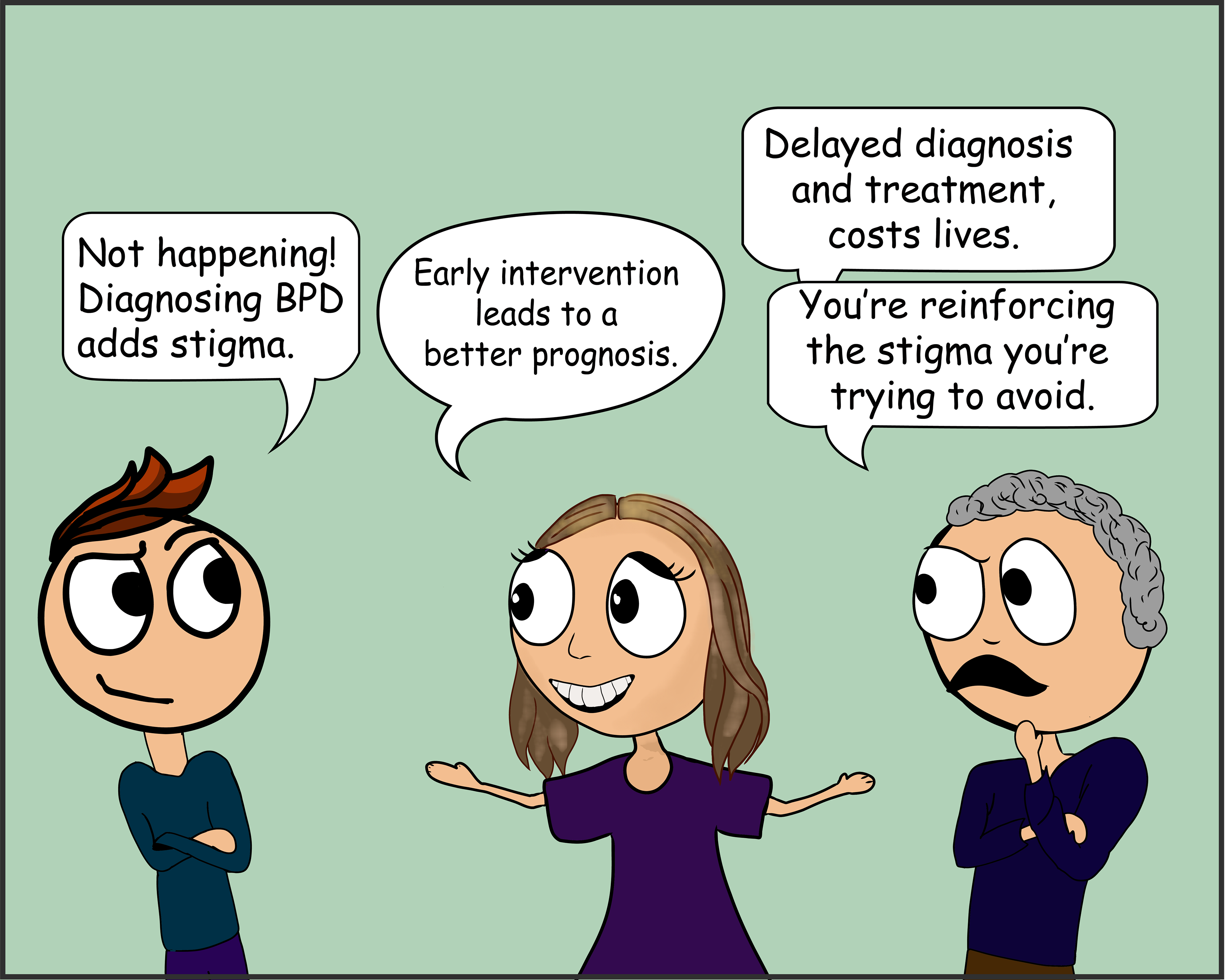
Ultimately, the findings support that dismanteling stigma and changing clinical practice requires more than educational interventions.
Food for thought
Is there a need for a greater emphasis on structural stigma rather than individual therapists' attitudes, given the impact on therapists working without adequate support? A core element in both generalist and specialized approaches? 

How do a therapist’s professional identity and community of practice influence their choice of therapeutic method? Could the alignment between a therapist’s theoretical orientation and personality with the method being implemented impact its success?
Limitations
Including perspectives from teams using other specialized treatments could have provided valuable comparative insights, but this was beyond the scope of the study. An in-dept mixed methodology approach would have been more suitable for the aim of this study, this was also outside the scope and feasibility of the project.
References
Bales, D. L., Verheul, R., & Hutsebaut, J. (2017). Barriers and facilitators to the implementation of mentalization‐based treatment (MBT) for borderline personality disorder. Personality and Mental Health, 11(2), 118-131.

Barrett, F. J., Powley, E. H., & Pearce, B. (2011). Hermeneutic philosophy and organizational theory. In H. Tsoukas & R. Chia (Eds.), Research in the Sociology of Organizations (pp. 181–213). Emerald Group Publishing Limited.

Bateman, A., & Fonagy, P. (2016). Mentalization-based treatment for personality disorders: A practical guide (First edition). Oxford University Press.

Buckman, J. R., & Barker, C. (2010). Therapeutic orientation preferences in trainee clinical psychologists: Personality or training? Psychotherapy Research, 20(3), 247–258.

Chanen, A., Sharp, C., & Hoffman, P. (2017). Prevention and early intervention for borderline personality disorder: a novel public health priority. World Psychiatry, 16(2), 215–216.

Chanen, A. M. (2021). Bigotry and borderline personality disorder. Australasian Psychiatry, 29(6), 579–580.

Chanen, A. M., & Nicol, K. (2021). Five failures and five challenges for prevention and early intervention for personality disorder. Current Opinion in Psychology, 37, 134–138.

Choi-Kain, L. W., Albert, E. B., & Gunderson, J. G. (2016). Evidence-Based Treatments for Borderline Personality Disorder: Implementation, Integration, and Stepped Care. Harvard Review of Psychiatry, 24(5), 342–356.

Corrigan, P. W., & Kosyluk, K. A. (2014). Mental illness stigma: Types, constructs, and vehicles for change. In P. W. Corrigan (Ed.), The stigma of disease and disability: Understanding causes and overcoming injustices (pp. 35–56). American Psychological Association.

Dopson, S., Fitzgerald, L., & Ferlie, E. (2008). Understanding Change and Innovation in Healthcare Settings: Reconceptualizing the Active Role of Context. Journal of Change Management, 8(3–4), 213–231.

Feenstra, D. J., Hutsebaut, J., Laurenssen, E. M. P., Verheul, R., Busschbach, J. J. V., & Soeteman, D. I. (2012). The Burden of Disease Among Adolescents with Personality Pathology: Quality of Life and Costs. Journal of Personality Disorders, 26(4), 593–604.

Ferlie, E., & Dopson, S. (2005). Studying Complex Organizations in Health Care. In Knowledge to Action? Evidence-Based Health Care in Context (pp. 8–27). Oxford University Press.

Fitzgerald, L. (2017). Contextualizing Organizational Change: The Case of Health Care. In Challenging Perspectives on Organizational Change in Health Care (pp. 67–84). Routledge.

Fonagy, P., & Bateman, A. (2008). The Development of Borderline Personality Disorder—A Mentalizing Model. Journal of Personality Disorders, 22(1), 4–21. 


Gill, M. J. (2014). The Possibilities of Phenomenology for Organizational Research. Organizational Research Methods, 17(2), 118–137. 

Greenhalgh, T. (2018). How to implement evidence-based healthcare. Wiley.

Greenhalgh, T., Robert, G., Bate, P., Macfarlane, F., & Kyriakidou, O. (Eds.). (2005). Diffusion of Innovations in Health Service Organisations. Blackwell Publishing Ltd. 

Gunderson, J. G. (2009). Borderline Personality Disorder: Ontogeny of a Diagnosis. American Journal of Psychiatry, 166(5), 530 539. 

Gunderson, J. G., Herpertz, S. C., Skodol, A. E., Torgersen, S., & Zanarini, M. C. (2018). Borderline personality disorder. Nature reviews disease primers, 4(1), 1-20.

Hill, C. E., Knox, S., Thompson, B. J., Williams, E. N., Hess, S. A., & Ladany, N. (2005). Consensual qualitative research: An update. Journal of Counseling Psychology, 52(2), 196–205. 

Hutsebaut, J., Bales, D. L., Busschbach, J. J., & Verheul, R. (2012). The implementation of mentalization-based treatment for adolescents: a case study from an organizational, team and therapist perspective. International Journal of Mental Health Systems, 6(1), 10. 

Hutsebaut, J., Willemsen, E., Bachrach, N., & Van, R. (2020). Improving access to and effectiveness of mental health care for personality disorders: the guideline-informed treatment for personality disorders (GIT-PD) initiative in the Netherlands. Borderline Personality Disorder and Emotion Dysregulation, 7(1), 16. 

Iliakis, E. A., Sonley, A. K. I., Ilagan, G. S., & Choi-Kain, L. W. (2019). Treatment of Borderline Personality Disorder: Is Supply Adequate to Meet Public Health Needs? Psychiatric Services, 70(9), 772–781. 

Jørgensen, M. S., Storebø, O. J., Stoffers-Winterling, J. M., Faltinsen, E., Todorovac, A., & Simonsen, E. (2021). Psychological therapies for adolescents with borderline personality disorder (BPD) or BPD features—A systematic review of randomized clinical trials with meta-analysis and Trial Sequential Analysis. PLOS ONE, 16(1), e0245331.

Kaess, M., Brunner, R., & Chanen, A. (2014). Borderline Personality Disorder in Adolescence. Pediatrics, 134(4), 782–793. 


Klein, P., Fairweather, A. K., & Lawn, S. (2022). Structural stigma and its impact on healthcare for borderline personality disorder: a scoping review. International Journal of Mental Health Systems, 16(1), 48.

Lien, Y. Y., Lin, H. S., Lien, Y. J., Tsai, C. H., Wu, T. T., Li, H., & Tsai, P. K. (2021). Challenging mental illness stigma in healthcare professionals and students: a systematic review and network meta-analysis. Psychology & Health, 36(6), 669–684. 

Link, B., Castille, D. M., & Stuber, J. (2008). Stigma and coercion in the context of outpatient treatment for people with mental illnesses. Social Science & Medicine, 67(3), 409–419. [

Livingston, J. D. (2013). Mental Illness-Related Structural Stigma: The Downward Spiral of Systemic Exclusion Final Report. Mental Health Commission of Canada.

Lomas, J. (1993). Diffusion, Dissemination, and Implementation: Who Should Do What? Annals of the New York Academy of Sciences, 703(1), 226–237. 

Malterud, K. (2001). Qualitative research: standards, challenges, and guidelines. The Lancet, 358(9280), 483–488. 

Michie, S., Van Stralen, M. M., & West, R. (2011). The behaviour change wheel: A new method for characterising and designing behaviour change interventions. Implementation Science, 6(1), 42. 

Morgan, A. J., Reavley, N. J., Ross, A., Too, L. S., & Jorm, A. F. (2018). Interventions to reduce stigma towards people with severe mental illness: Systematic review and meta-analysis. Journal of Psychiatric Research, 103, 120–133. [

Nilsen, P. (2015). Making sense of implementation theories, models and frameworks. Implementation Science, 10(1), 53. 


Pettigrew, A. M. (1985). Contextualist research and the study of organizational change processes. In E. Mumford, R. Hirschheim, G. Fitzgerald, & T. Wood-Harper (Eds.), Research Methods in Information Systems (pp. 53–78). North-Holland.

Pigot, M., Miller, C. E., Brockman, R., & Grenyer, B. F. S. (2019). Barriers and facilitators to the implementation of a stepped care intervention for personality disorder in mental health services. Personality and Mental Health, 13(4), 230–238. 


Rogers, E. M. (1995). Diffusion of innovations (4th ed.). Free Press.

Rossouw, T., Wiwe, M., & Vrouva, I. (Eds.). (2021). Mentalization-based treatment for adolescents: A practical treatment guide. Routledge.

Saunders, K. E. A., Hawton, K., Fortune, S., & Farrell, S. (2012). Attitudes and knowledge of clinical staff regarding people who self-harm: A systematic review. Journal of Affective Disorders, 139(3), 205–216. 

Sheehan, L., Gaurean, B., & Corrigan, P. W. (2022). Debate: Stigma implications for diagnosing personality disorders in adolescents. Child and Adolescent Mental Health, 27(2), 203–205. 

Sheehan, L., Nieweglowski, K., & Corrigan, P. (2016). The Stigma of Personality Disorders. Current Psychiatry Reports, 18(1), 11. 

Smith, J. A., Flowers, P., & Larkin, M. (2009). Interpretative phenomenological analysis: Theory, method and research. SAGE.

Soeteman, D. I., Verheul, R., & Busschbach, J. J. V. (2008). The Burden of Disease in Personality Disorders: Diagnosis-Specific Quality of Life. Journal of Personality Disorders, 22(3), 259–268. 

Stiles, C., Batchelor, R., Gumley, A., & Gajwani, R. (2023). Experiences of Stigma and Discrimination in Borderline Personality Disorder: A Systematic Review and Qualitative Meta-Synthesis. Journal of Personality Disorders, 37(2), 177–194.

Storebø, O. J., Stoffers-Winterling, J. M., Völlm, B. A., Kongerslev, M. T., Mattivi, J. T., Jørgensen, M. S., ... & Simonsen, E. (2020). Psychological therapies for people with borderline personality disorder. The Cochrane database of systematic reviews, 2020(5).